Photovoice Project
Capturing the Experience of Displacement
This digital exhibition brings together photographs and stories created through our Photovoice project exploring the experiences of queer people in forced displacement. The project was held in Zurich, Switzerland, in the autumn and winter of 2025 and led by the Liminality Research Consortium and Photovoice Worldwide. As co-researchers, project participants use images and words to express the challenges, strengths, and hopes that shape their encounters with wellbeing, health, and healthcare in the Swiss context. Each photo shared here reflects personal insight and collective reflection, offering a powerful window into the barriers, supports, and changes needed to make healthcare more inclusive and accessible.
If you are interested in organising an exhibition or advocacy event, please contact us to request permission to use the photographs.
About Photovoice
Photovoice is a participatory action research method developed by Caroline Wang and Mary Ann Burris (1997). It is a group-based process that invites participants to document and reflect on their lived experiences through photography and written narratives. Photovoice seeks to close the knowledge gap between people with valuable lived experience and those who influence policies and decisions that shape their lives.
In this project, the Photovoice process was implemented with guidance from Erica Belli (Photovoice Worldwide) and used with queer (LGBTQ+) migrants and refugees in Switzerland to explore experiences of forced displacement, belonging, and access to services, including healthcare.
We gratefully acknowledge the support of Phones Without Borders for donating mobile phones used in this project.
About Participants
This gallery shares photographs created by participants as co-researchers in the Photovoice process. Through facilitated group discussions, participants reflected on their images and collectively identified themes that emerged from their lived experiences.
The themes presented below were developed through dialogue and negotiation during the sessions. Some photographs speak to more than one theme, reflecting the complexity and intersection of participants’ experiences.
All images and captions are shared at participants’ discretion. Some photographs include titles and/or captions, while others do not, depending on individual preferences about what to share publicly.
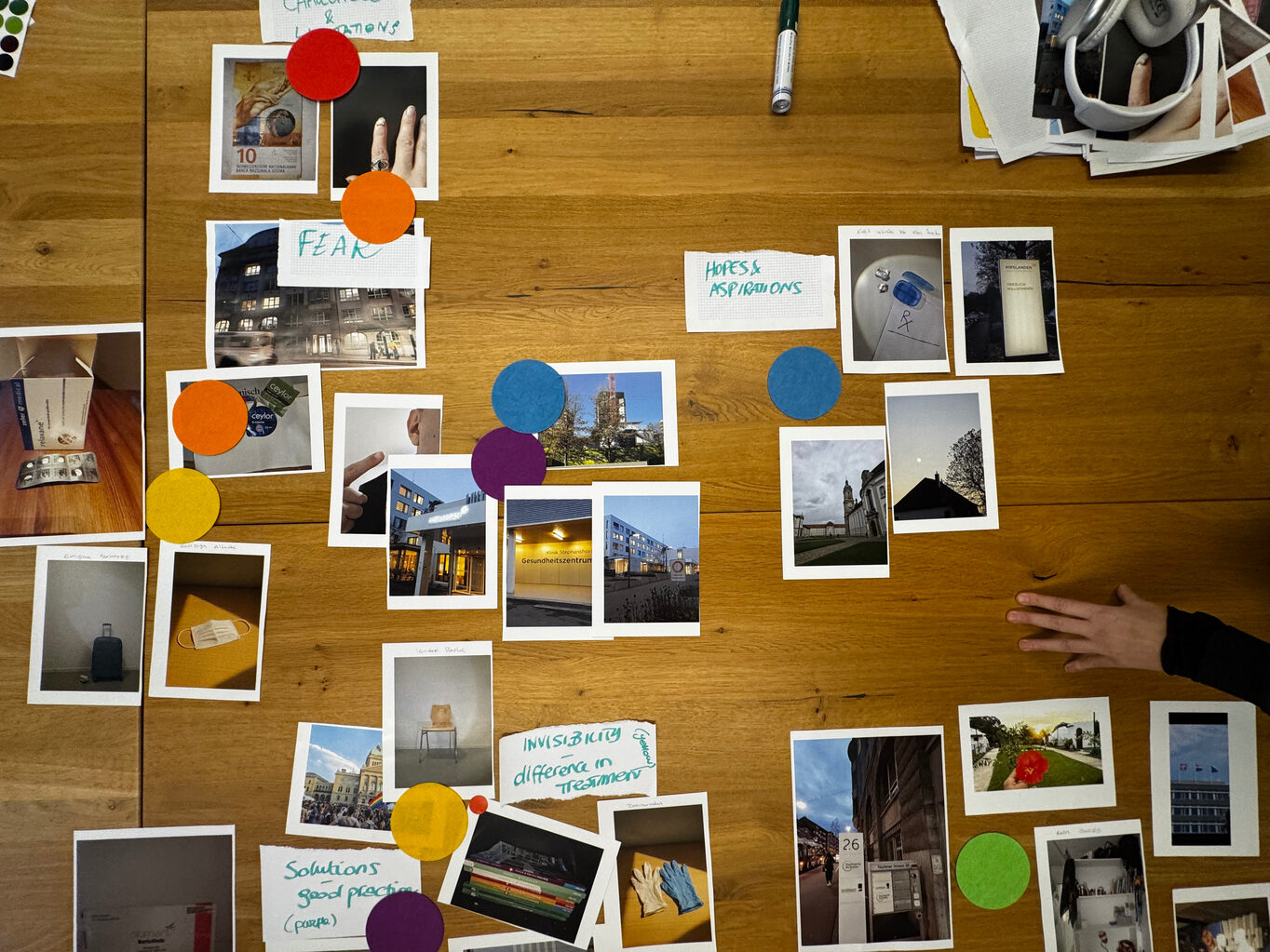
Photovoice workshop, Zurich, 2025
Themes emerging from the workshop
During the workshop, participants collectively identified the themes below. Many photographs speak to more than one theme, reflecting the interconnected nature of participants’ experiences.
Challenges and Limitations
Participants reflected on structural and institutional barriers that shape their daily lives. This includes limitations within healthcare systems, administrative obstacles, and broader social constraints connected to migration status. Some images highlight moments of frustration, uncertainty, or feeling unheard, while others show resilience within these limitations.
Fear
Fear emerged as a distinct and powerful theme during collective reflection. Participants spoke about vulnerability, insecurity, and uncertainty — particularly in relation to healthcare access, rights, and belonging. Some photographs express how fear can be both visible and invisible, shaping experiences in subtle but persistent ways.
Hopes and Aspirations
Alongside challenges, participants shared images that represent hope, safety, dignity, and aspiration. These photographs reflect visions of belonging, meaningful participation, and improved access to care. Hope was often described as fragile but persistent — connected to moments of recognition, solidarity, and support.
Invisibility and Difference in Treatment
Participants described experiences of feeling unseen, misunderstood, or treated differently. This theme reflects structural invisibility, discrimination, and unequal treatment within institutions and society more broadly. Some images illustrate how invisibility coexists with a desire for recognition and inclusion.
Solutions and Good Practices
Participants also identified examples of care, support, and positive change. This theme highlights good practices within healthcare and community settings — including respectful communication, recognition of rights, and inclusive environments. These photographs emphasize that solutions can exist even within systems marked by constraint.
![[Original] Soy visto cuando sin importar quien soy, tengo acceso por igual a todos los servicios de salud que reciben personas distintas a mí la salud garantiza, mi vida y el ejercicio de ella con igualdad me devuelve la dignidad. [English] I am seen when, regardless of who I am, I have equal access to all the health services that people other than myself receive. Health guarantees my life and the exercise of it with equality restores my dignity.](https://liminality.ch/wp-content/uploads/2025/12/CH-ZH-PV-G-1_6-e1765996027481.jpeg "CH-ZH-PV-G-1_6")
Click to open and read the full caption
![[Original] La catedral de sant Gallen me hace recordar que ser queer siempre ha sido un desafío por el entorno familiar profesional de trabajo, cultural y profundamente religioso cuando vivía en mi país de origen a ese desafío agregó hoy día ser una persona refugiada en un nuevo país, donde debo aprender un nuevo idioma, adaptandarme a una nueva cultura y en mi caso particular en el cantón donde vivo que es a simple vista bastante tradicional conservador y quizá no muy abierto para inmigrantes que además somos queer. [English] The cathedral of St. Gallen reminds me that being queer has always been a challenge due to the professional, cultural, and deeply religious environment of my family when I lived in my home country. Today, I add to that challenge the fact that I am a refugee in a new country, where I must learn a new language, adapt to a new culture and, in my particular case, to the canton where I live, which at first glance is quite traditional, conservative and perhaps not very open to immigrants who are also queer.](https://liminality.ch/wp-content/uploads/2025/12/CH-ZH-PV-G-1_1.jpeg)
Click to open and read the full caption
![[English] A suitcase… It stands before me like a sealed past. No matter how far I go, its contents always follow. Beneath it, a few boxes of pills. Small, silent witnesses. Each one a proof of the day my body whispered, “endure.” Every pill swallowed feels like a little less hope remaining. And on top of the suitcase, a shadow falls… My shadow. But sometimes even I don’t recognize it. Because this shadow isn’t only mine. It’s the system’s weight pressing down on me. For being “too much,” for being “different,” for daring to be “seen.” To be queer, to be a refugee— it’s to breathe and drown at the same time. You want to live, yet each day you live feels a little more like dying. Health, you say? Here, health is not a right… It’s an exam. You must leave a thousand identities behind just to pass through one door. Say “I’m trans,” and their eyes change. Say “I’m a refugee,” and the doors close. Sometimes I sit beside that suitcase, staring at the pills… Each one whispers to me: “Hold on, your place is still not here.” But even my shadow exhausts me now. Because sometimes, even your own shadow abandons you. Still… A quiet sentence runs through me: “They broke me, but I’m still here.” And that sentence becomes the heaviest suitcase my heart will ever carry.](https://liminality.ch/wp-content/uploads/2025/12/CH-ZH-PV-TW-1_1.jpeg "In the Shadow of a Suitcase")
Click to open and read the full caption
![[Original] Bu binanın önünden her geçtiğimde, hem umut hem de korku taşıdığımı fark ediyorum. Bir mülteci ve trans kadın olarak, sağlık sistemine adım atmak bile bazen cesaret gerektiriyor. Bu yüksek duvarlar bana hayatımda sayısız kez karşılaştığım kapıları hatırlatıyor: Ya açılmayan kapılar... ya da beni yanlış anlayan insanlar. Yine de, her aydınlık pencerede bir olasılık görüyorum; birinin beni yargılamadan veya sınıflandırmadan dinleme olasılığı. Bu binanın önünde durmak bazen yalnız hissettirebiliyor; bazen de iyileşmenin mümkün olduğuna dair küçük bir işaret. [English] Every time I walk past this building, I realize I carry both hope and fear. As a refugee and trans woman, even stepping into the healthcare system sometimes requires courage. These high walls remind me of doors I've encountered countless times in my life: Doors that either don't open... or people who misunderstand me. Yet, in every bright window, I see a possibility; the possibility of someone listening to me without judgment or classification. Standing in front of this building can sometimes feel lonely; sometimes it's a small sign that healing is possible.](https://liminality.ch/wp-content/uploads/2025/12/CH-ZH-PV-TW-2_8.jpeg "CH-ZH-PV-TW-2_8")
Click to open and read the full caption
![[Original] Ser oídos es más que un derecho porque significa que existo, que no soy invisible por mi condición sexual migratorio color de piel, ser oídos no solo es recibir un gesto amable, sino además que tu dolencia, problema o situación tenga la oportunidad de encontrar una solución [English] Being heard is more than a right because it means that I exist, that I am not invisible because of my sexual orientation, immigration status, or skin colour. Being heard is not only receiving a kind gesture, but also having the opportunity to find a solution to your ailment, problem, or situation.](https://liminality.ch/wp-content/uploads/2025/12/CH-ZH-PV-G-1_7.jpeg "Being heard")
Click to open and read the full caption
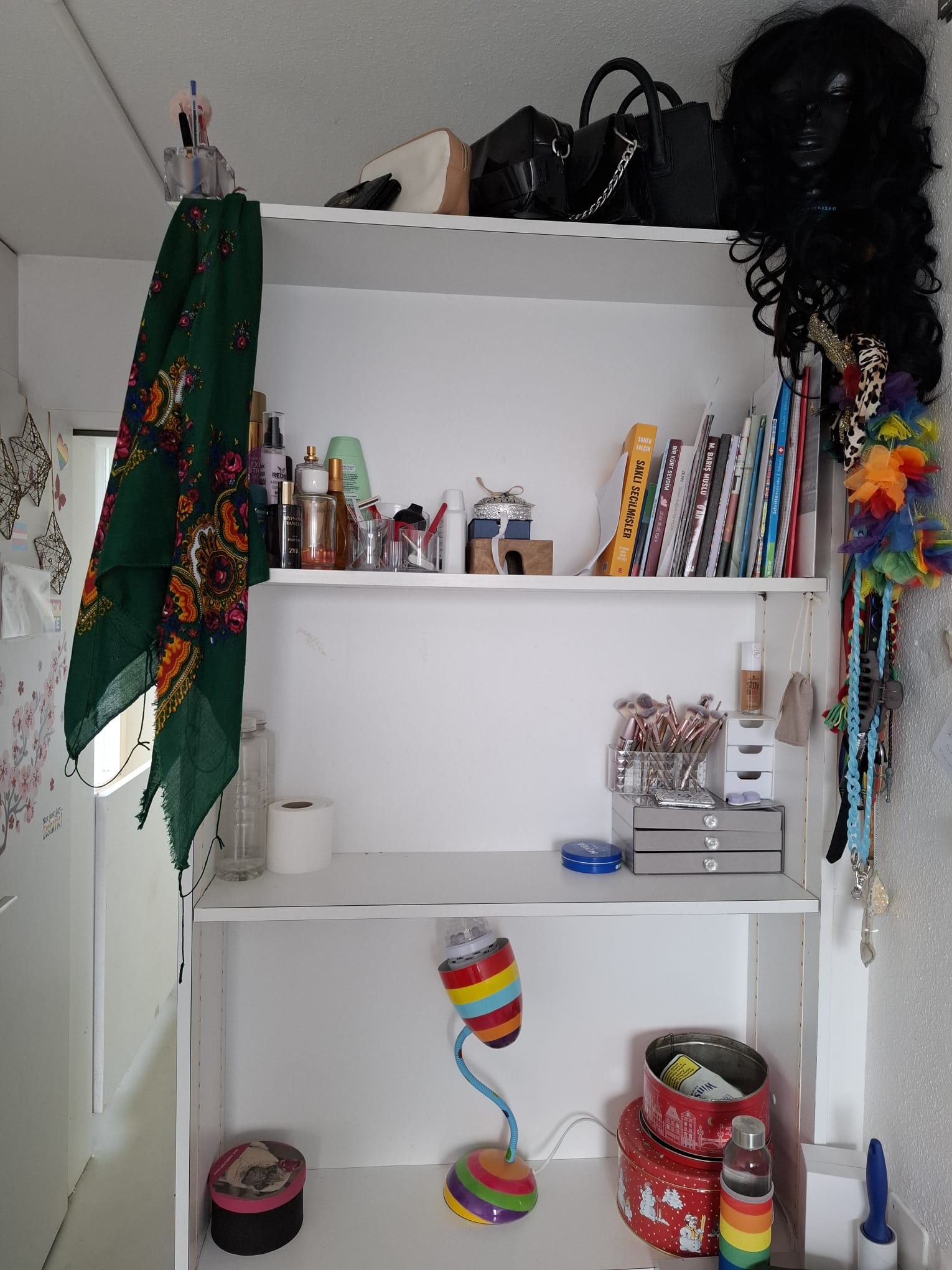
Click to open and read the full caption
![[Original] Ser trans, lesbiana gay o Queer no es una elección así como tampoco elegimos el lugar donde nacimos lo que ha acumulado una serie de experiencias que principalmente han afectado nuestras emociones, amor propio, nuestra salud mental y espiritual siendo nuestro mayor anhelo, el vivir sin temor a ser vistos por quien somos. [English] Being transgender, lesbian, gay, or queer is not a choice, just as we do not choose where we are born. This has led to a series of experiences that have mainly affected our emotions, self-esteem, and mental and spiritual health. Our greatest desire is to live without fear of being seen for who we are.](https://liminality.ch/wp-content/uploads/2025/12/CH-ZH-PV-G-1_12.jpeg "CH-ZH-PV-G-1_12")
Click to open and read the full caption
![[Original] Cuando miro la luna puedo sentirme seguro, siento que su luz no me discrimina, ella alumbra a todos por igual de manera serena apacible y su energía me transmite paz. no hace distinción si soy Queer o extranjero en el suelo que piso, ella solo me da su luz y su comprensión. [English] When I look at the moon, I feel safe. I feel that its light does not discriminate against me. It shines on everyone equally, serenely and peacefully, and its energy transmits peace to me. It makes no distinction between whether I am queer or a foreigner on the ground I walk on. It simply gives me its light and its understanding.](https://liminality.ch/wp-content/uploads/2025/12/CH-ZH-PV-G-1_11.jpeg "CH-ZH-PV-G-1_11")
Click to open and read the full caption
![[Original] Burası benim için sadece bir adres değil: bir yabancı ülkede ‘anlaşıldığımı’ ilk kez hissettiğim yer. Psikoloğumun biseksüel oluşu ve trans bireyler üzerine uzmanlaşmış olması, beni ilk defa ‘yanlış beden, yanlış ülke, yanlış kimlik’ gibi etiketler olmadan görmesine izin verdi. Birçok mülteci danışman, sağlık sisteminde yanlış anlaşılmaktan ve önyargıdan şikayet ederken; benim burada bir kadın olarak, bir trans birey olarak, bir mülteci olarak duyulmam bir şans gibi. Bu kapıdan her girişimde, içerdeki odanın bana nefes aldıracağını biliyorum. Bu klinikte depresyonla mücadele eden yatılı hastalar da var. Belki de bu sokak, hepimizin farklı acılarını aynı çatı altında taşıdığı bir buluşma noktası. [English] This isn't just an address for me: it's the place where I first felt understood in a foreign country. My psychologist's bisexuality and specialization in transgender individuals allowed him to see me for the first time without labels like 'wrong body, wrong country, wrong identity.' While many refugee counselors complain of misunderstanding and prejudice in the healthcare system, it feels like a blessing to be heard here as a woman, a transgender person, a refugee. Every time I walk through this door, I know the room inside will give me a breath of fresh air. This clinic also has inpatients struggling with depression. Perhaps this street is a meeting point where we all carry our different pains under one roof.](https://liminality.ch/wp-content/uploads/2025/12/CH-ZH-PV-TW-2_9.jpeg "CH-ZH-PV-TW-2_9")
Click to open and read the full caption
![[Original] Si tu mente está bien tu cuerpo también puede sanar, la salud mental es indispensable y más aún cuando no tenemos el acceso o posibilidades de atención integral de un sistema de salud. cuidar nuestra mente con una visión holística nos permite avanzar en los días difíciles. [English] If your mind is well, your body can also heal. Mental health is essential, especially when we do not have access to or the possibility of comprehensive care from a healthcare system. Taking care of our minds with a holistic approach allows us to move forward on difficult days.](https://liminality.ch/wp-content/uploads/2025/12/CH-ZH-PV-G-1_10.jpeg "CH-ZH-PV-G-1_10")
Click to open and read the full caption
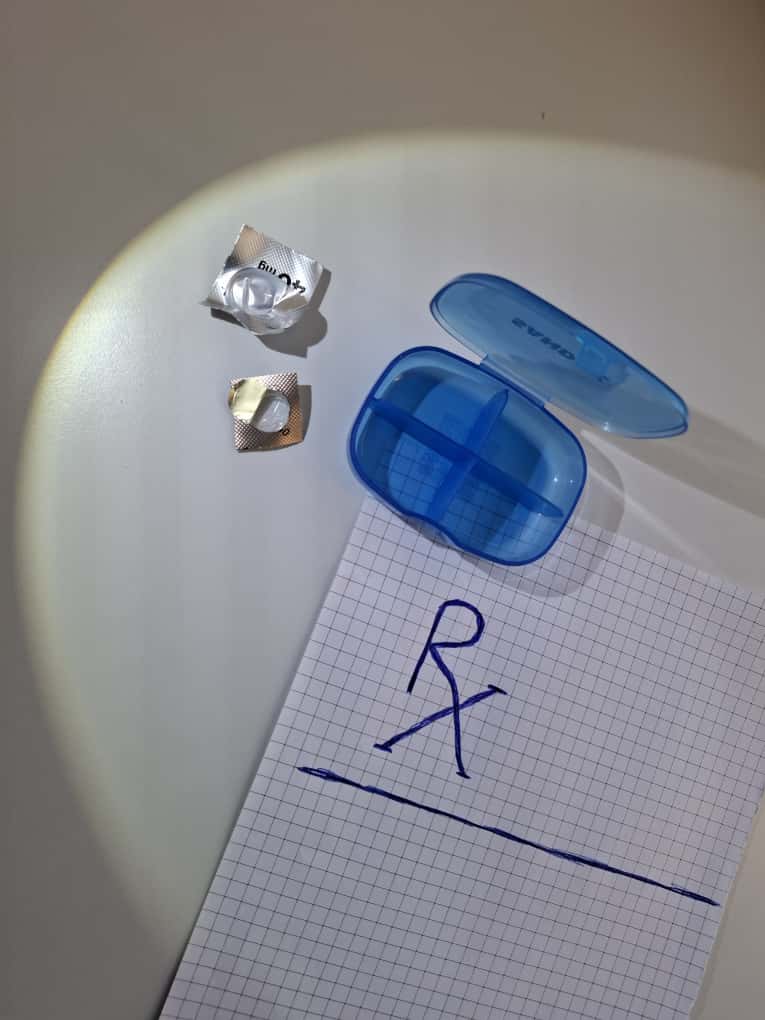
Click to open and read the full caption
![[Original] Ver el hospital del cantón de Sant Gallen trae a mi memoria gratos recuerdos, desde mi llegada a Suiza han cuidado de mi salud en diferentes áreas, un apoyo que indiscutiblemente es esencial para seguir viviendo. Estas instalaciones de varios edificios son más que una estructura de construcción ha sido un lugar donde me he sentido seguro sin discriminar que soy queer o inmigrante una realidad que con nostalgia dista a la de mi país de origen. [English] Seeing the hospital in the canton of St. Gallen brings back fond memories. Since my arrival in Switzerland, they have taken care of my health in different areas, providing support that is undoubtedly vital for me to continue living. These facilities, consisting of several buildings, are more than just a structure; they have been a place where I have felt safe, without discrimination for being queer or an immigrant, a reality that is nostalgically different from that of my country of origin.](https://liminality.ch/wp-content/uploads/2025/12/CH-ZH-PV-G-1_3.jpeg "CH-ZH-PV-G-1_3")
Click to open and read the full caption
![[Original] Ser una persona queer y refugiada aborda diferentes aspectos de los cuales quizá no se habla mucho y la salud sexual es una de ellas donde nunca será suficiente los esfuerzos o la información que se disponga para nosotros. La salud sexual es intrínseca a la naturaleza humana sin embargo, está rodeada de estigmas y tabús como por ejemplo, el uso del condón versus el PREP y otras alternativas que no son de fácil acceso especialmente cuando eres migrante. [English] Being a queer person and a refugee involves different aspects that are perhaps not talked about much, and sexual health is one of them where there will never be enough effort or information available to us. Sexual health is intrinsic to human nature, yet it is surrounded by stigmas and taboos, such as the use of condoms versus PREP and other alternatives that are not easily accessible, especially when you are a migrant.](https://liminality.ch/wp-content/uploads/2025/12/CH-ZH-PV-G-1_2-e1766005353700.jpeg "CH-ZH-PV-G-1_2")
Click to open and read the full caption
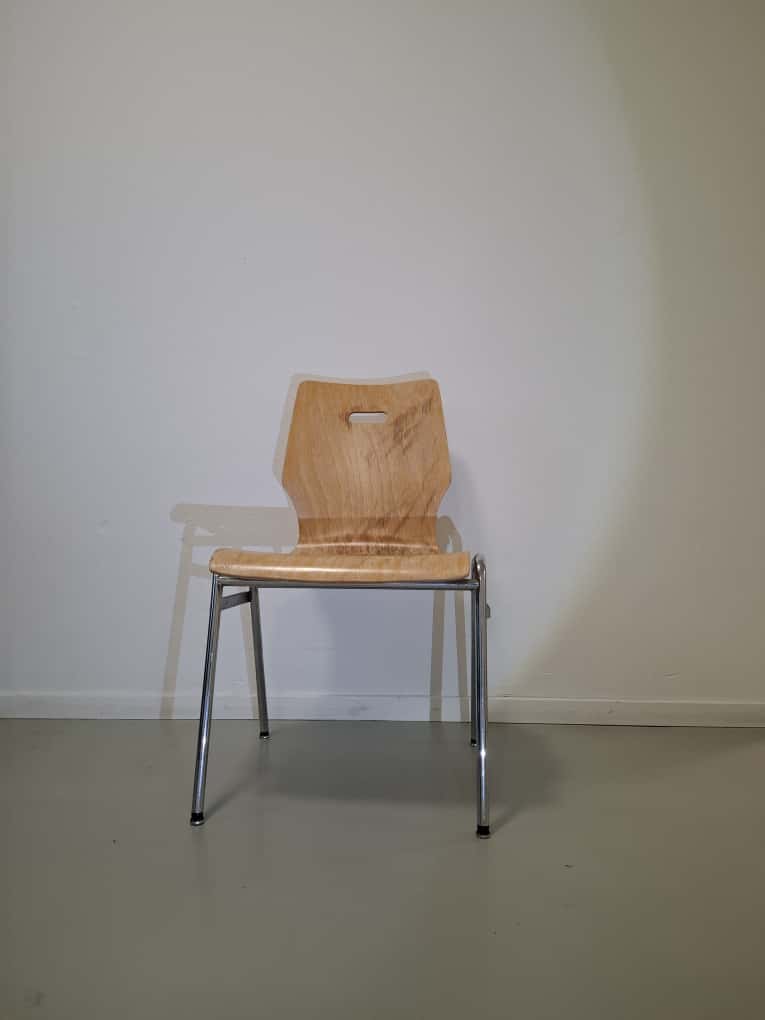
Click to open and read the full caption
![[Original] Que existan leyes más humanas inclusivas y sensibles a la realidad de las personas refugiadas de las personas queer desde nuestra llegada y durante el proceso de integración que particularmente en el sistema de asilo quiebra e incluso re victimiza entre muchos aspectos por causa del retardo burocrático que nos hace sentir personas de inferior categoría en la sociedad. [English] There should be more humane laws that are inclusive and sensitive to the reality of queer refugees from the moment we arrive and throughout the integration process, which, particularly in the asylum system, fails and even re-victimizes us in many ways due to bureaucratic delays that make us feel like second-class citizens in society.](https://liminality.ch/wp-content/uploads/2025/12/CH-ZH-PV-G-1_13.jpeg "CH-ZH-PV-G-1_13")
Click to open and read the full caption
![[Original] Bu fotoğraf, benim için sadece bir ilaç değil; aynı zamanda mülteci olarak sağlık sisteminde yaşadığım zorlukların sembolü. Kampta saçkıran hastalığı tedavisine ihtiyacım olduğunu söylediğimde, süreç yavaş ilerledi, aile doktoruna yönlendirildim ve cildiye randevusu aylar sonra verildi. Kortizon tedavisi yetersiz kaldı, bu ilacı almam geretigi söylendi. Fakat sigorta ve bürokratik süreçler nedeniyle Olumiant’a ulaşmam yaklaşık iki yıl sürdü. Bu süreç, mülteci olmanın ve sağlık sistemine erişimde yaşanan gecikmelerin ruhsal ve fiziksel sağlığımı nasıl etkilediğini gösteriyor. Şu anda hâlâ ilaca kolay ulaşamamak, benim için güvenli ve saygı gören bir sağlık deneyimi yaşamanın önündeki bir engel. [English] This photo isn't just a medicine for me; it's a symbol of the challenges I face in the healthcare system as a refugee. When I reported needing treatment for ringworm in the camp, the process was slow. I was referred to my family doctor, and an appointment with a dermatologist was scheduled months later. Cortisone treatment proved insufficient, and I was told I needed this medication. However, due to insurance and bureaucratic procedures, it took me nearly two years to reach Olumiant. This process demonstrates how being a refugee and the delays in accessing the healthcare system affect my mental and physical health. Currently, not having easy access to medication is an obstacle to a safe and respectful healthcare experience.](https://liminality.ch/wp-content/uploads/2025/12/CH-ZH-PV-TW-2_11-scaled.jpg "CH-ZH-PV-TW-2_11")
Click to open and read the full caption
![[Original] El arcoiris como símbolo de diversidad, de Esperanza, de la Luz después de la tormenta no solamente me identifica como Queer sino también como migrante, como ser humano y poder observar la bandera en mi entorno no solo me hace visible y más real sino digno de pertenecer a una sociedad que me respeta y reconoce como igual. [English] The rainbow as a symbol of diversity, hope, and light after the storm not only identifies me as queer but also as a migrant, as a human being. Seeing the flag in my surroundings not only makes me visible and more real but also worthy of belonging to a society that respects and recognizes me as an equal.](https://liminality.ch/wp-content/uploads/2025/12/CH-ZH-PV-G-1_14.png "CH-ZH-PV-G-1_14")
Click to open and read the full caption

Click to open and read the full caption
![[Original] Cuánto vale tu vida? Cuánto vale tu salud se puede cuantificar monetariamente el valor de un ser humano? [English] How much is your life worth? How much is your health worth? Can the value of a human being be quantified in monetary terms?](https://liminality.ch/wp-content/uploads/2025/12/CH-ZH-PV-G-1_5.jpeg "10 Francs")
Click to open and read the full caption
![[Original] Bu iki küçük hap -Relaksane ve Ketiapin- benim için sadece ilaç değildi; kampta geçirdiğim 28 ay boyunca sesimi duyurma mücadelemin sembolleriydi. Trans bir mülteci olarak, psikolojik desteğe ihtiyacım olduğunu dile getirdiğimde, genellikle aldığım şey bir randevu değildi; müzik dinlemek, yürüyüşe çıkmak veya birkaç resim çizmek gibi basit tesellilerdi. Ancak kamptaki tek kuir kişi olarak, yalnızlık ve belirsizlik günlük hayatımın bir parçasıydı; beni gerçekten anlayan bir uzmana, bir psikoloğa ulaşmak hayati bir ihtiyaçtı. Bu haplar, bir doktorun sonunda beni ciddiye alıp psikiyatriye yönlendirdiği günlerin kalıntıları. Bir trans kadın için sağlık hizmetlerine erişim bir ayrıcalık değil, yaşam hakkının bir parçası; ancak mülteci kamplarında bu hak genellikle unutuluyor. Bu fotoğraftaki haplar hem gecikmiş bakımın hem de hayatta kalma isteğinin sessiz bir tanığı. [English] These two little pills—Relaksane and Quetiapine—were not just medicines for me; they were symbols of my struggle to make my voice heard during the 28 months I spent in the camp. As a trans refugee, when I expressed a need for psychological support, what I usually received wasn't an appointment; it was simple comforts like listening to music, going for a walk, or drawing a few pictures. But as the only queer person in the camp, loneliness and uncertainty were part of my daily life; access to a professional, a psychologist, who truly understood me was a vital need. These pills are remnants of the days when a doctor finally took me seriously and referred me to psychiatry. For a trans woman, access to healthcare isn't a privilege; it's part of the right to life, yet in refugee camps, this right is often forgotten. The pills in this photo bear silent witness to both delayed care and the will to survive.](https://liminality.ch/wp-content/uploads/2025/12/CH-ZH-PV-TW-2_10.jpeg "CH-ZH-PV-TW-2_10")
Click to open and read the full caption
![[Original] Ser migrante por fuerza mayor ya es un desafío pero no entender otra lengua o no poder hacerte entender nos hace sentir vulnerables impotentes frustrados y aún más cuando se trata de nuestra salud y bienestar. [English] Being a migrant due to circumstances beyond one's control is challenging enough, but not understanding another language or being unable to make oneself understood makes us feel vulnerable, powerless, frustrated, and even more so when it comes to our health and well-being.](https://liminality.ch/wp-content/uploads/2025/12/CH-ZH-PV-G-1_9.jpeg "The Language")
Click to open and read the full caption
![[Original] La empatía nos hace más humanos y ser humano, está por encima de cualquier nacionalidad orientación sexual color de piel o religión. [English] Empathy makes us more human and humane; it transcends nationality, sexual orientation, skin colour, or religion.](https://liminality.ch/wp-content/uploads/2025/12/CH-ZH-PV-G-1_8.jpeg "Empathy")
Click to open and read the full caption
![[Original] Ser migrante y tener un acceso digno e igualitable al sistema de salud no debería ser diferenciado por el Bewilligung de tu billetera. [English] Being a migrant and having decent and equal access to the healthcare system should not be differentiated by the contents of your wallet.](https://liminality.ch/wp-content/uploads/2025/12/CH-ZH-PV-G-1_4-e1766005404581.jpeg "Health insurance")
Click to open and read the full caption
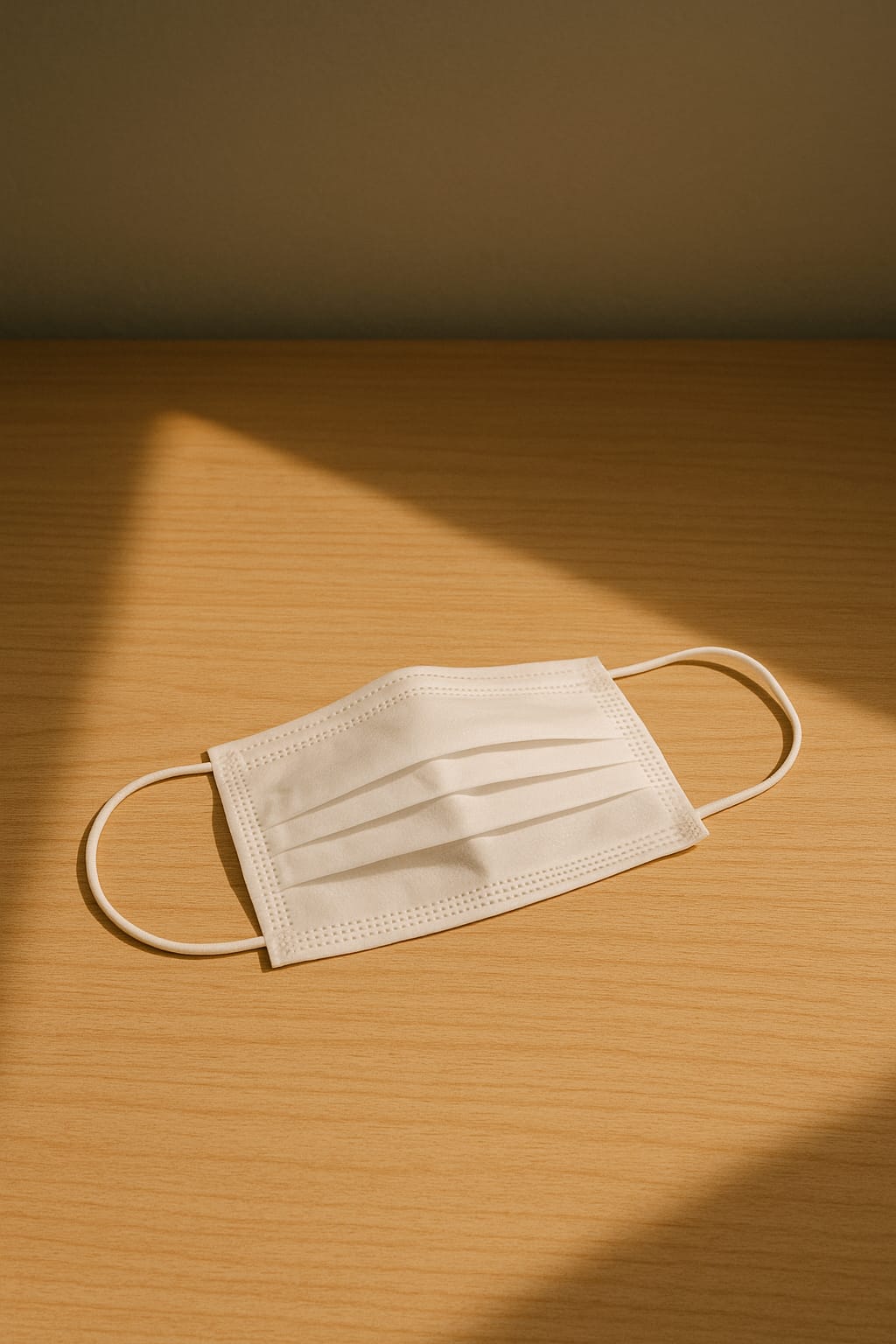
Click to open and read the full caption
![[Original] Kelime: Sığınak Cümle: Hormon tedavimde beni anlayan ve destekleyen doktorumun kapısını açıyor — benim için bir sığınak. [English] Word: Refuge Sentence: It opens the door to my doctor, who understands and supports me during my hormone therapy—a refuge for me.](https://liminality.ch/wp-content/uploads/2025/12/CH-ZH-PV-TW-2_7.jpg "CH-ZH-PV-TW-2_7")
Click to open and read the full caption
![[Original] Klinik Stephanshorn’daki doktorum, hem sağlık sürecimde hem de psikolojik destek almamda bana çok yardımcı oldu. Türkçe konuşabildiği için kendimi güvende ve anlaşılmış hissediyorum. Trans bir mülteci olarak sağlık alanında zorluklar ve yaşasam da, onun sayesinde kendimi değerli ve görülüyor hissediyorum. [English] My doctor at Klinik Stephanshorn has been very helpful to me, both in my healthcare process and in getting psychological support. Because she speaks Turkish, I feel safe and understood. Even though I face challenges in healthcare as a trans refugee, thanks to her, I feel valued and seen.](https://liminality.ch/wp-content/uploads/2025/12/CH-ZH-PV-TW-2_5.jpg "CH-ZH-PV-TW-2_5")
Click to open and read the full caption
![[Original] Kelime: Güven Cümle: Bu binanın önündeki ışıklar, Endokrinoloji Doktorumun randevularda bana verdiği güveni simgeliyor. [English] Word: Trust Sentence: The lights in front of this building symbolize the trust my Endocrinologist gives me during appointments.](https://liminality.ch/wp-content/uploads/2025/12/CH-ZH-PV-TW-2_6.jpg "CH-ZH-PV-TW-2_6")
Click to open and read the full caption
![[Original] Cümle: “Herzlich willkommen” tabelesi, bu kliniği bana ait hissettiren ilk sıcak karşılama oluyor. [English] The sentence: “Herzlich willkommen” sign is the first warm welcome that makes me feel like this clinic belongs to me.](https://liminality.ch/wp-content/uploads/2025/12/CH-ZH-PV-TW-2_4.jpg "CH-ZH-PV-TW-2_4")
Click to open and read the full caption
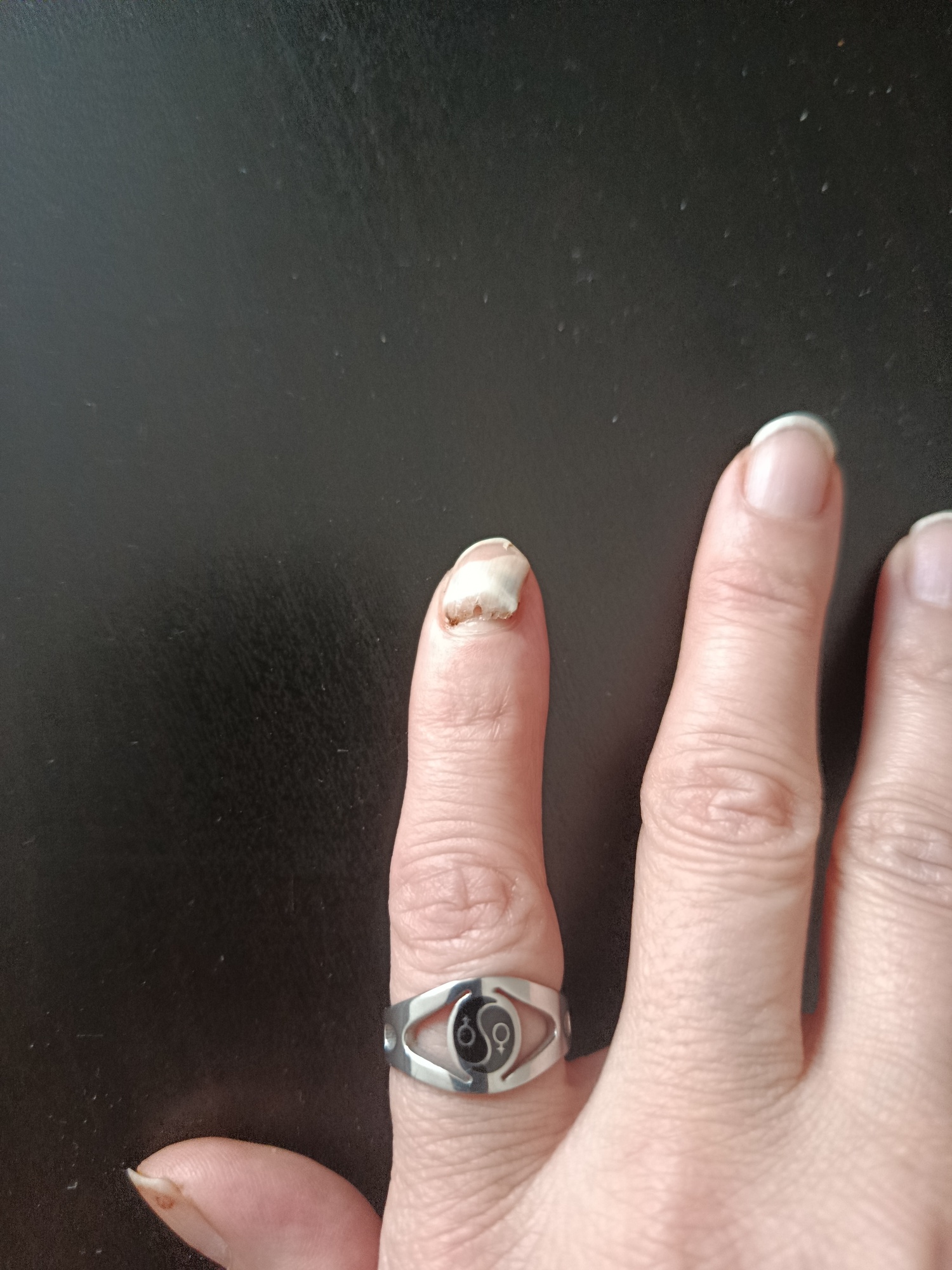
Click to open and read the full caption