
Photovoice Project
Capturing the Experience of Displacement
This digital exhibition brings together photographs and stories created through our Photovoice project exploring the experiences of queer people in forced displacement. The project was held in Zurich, Switzerland (autumn–winter 2025),and Athens, Greece (winter-spring 2026), led by the Liminality Research Consortium and Photovoice Worldwide. As co-researchers, project participants use images and words to express the challenges, strengths, and hopes that shape their encounters with wellbeing, health, and healthcare. Each photo shared here reflects personal insight and collective reflection, offering a powerful window into the barriers, supports, and changes needed to make healthcare more inclusive and accessible.
If you are interested in organising an exhibition or advocacy event, please contact us to request permission to use the photographs.
About Photovoice
Photovoice is a participatory action research method developed by Caroline Wang and Mary Ann Burris (1997). It is a group-based process that invites participants to document and reflect on their lived experiences through photography and written narratives. Photovoice seeks to close the knowledge gap between people with valuable lived experience and those who influence policies and decisions that shape their lives.
In this project, the Photovoice process was implemented with guidance from Erica Belli (Photovoice Worldwide) and used with queer (LGBTQ+) migrants and refugees in Switzerland and Greece to explore experiences of forced displacement, belonging, and access to services, including healthcare.
We gratefully acknowledge the support of Phones Without Borders for donating mobile phones used in this project.
About Participants
This gallery shares photographs created by participants as co-researchers in the Photovoice process. Through facilitated group discussions, participants reflected on their images and collectively identified themes that emerged from their lived experiences.
The themes presented below were developed through dialogue and negotiation during the sessions. Some photographs speak to more than one theme, reflecting the complexity and intersection of participants’ experiences.
All images and captions are shared at participants’ discretion. Some photographs include titles and/or captions, while others do not, depending on individual preferences about what to share publicly.
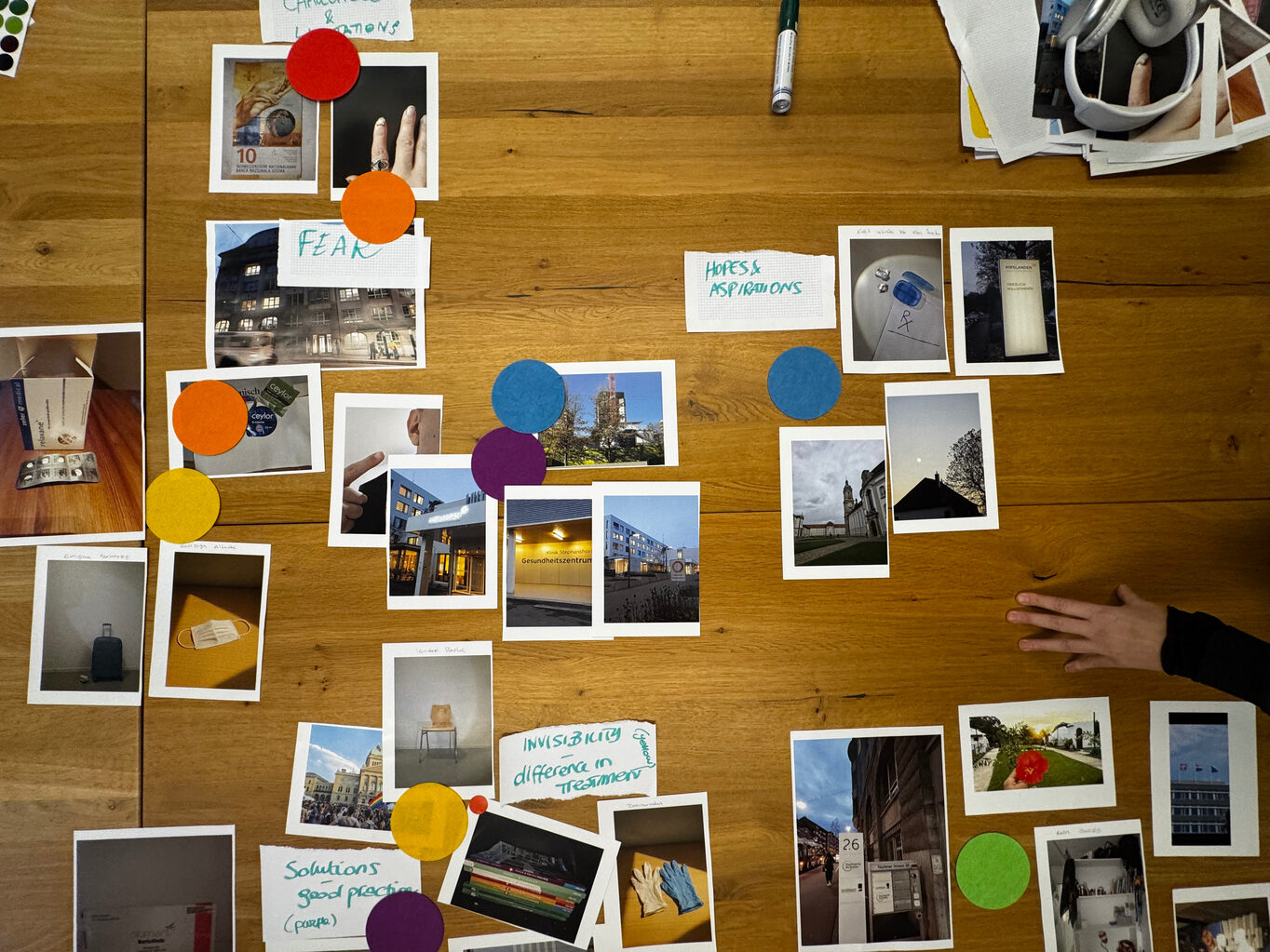
Photovoice workshop, Zurich, 2025
Themes emerging from the workshop
During the workshop, participants collectively identified the themes below. Many photographs speak to more than one theme, reflecting the interconnected nature of participants’ experiences.
Challenges and Limitations
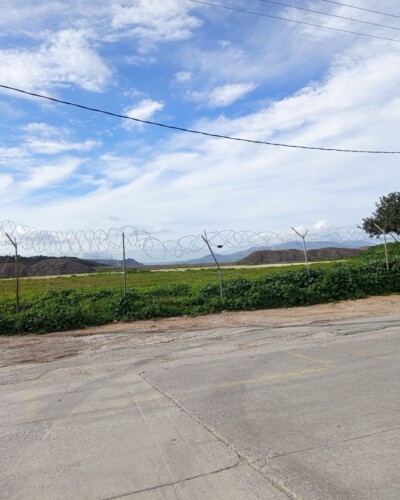
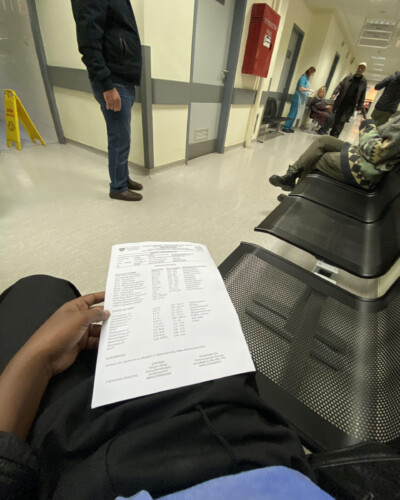
Participants reflected on structural and institutional barriers that shape their daily lives. This includes limitations within healthcare systems, administrative obstacles, and broader social constraints connected to migration status. Some images highlight moments of frustration, uncertainty, or feeling unheard, while others show resilience within these limitations.
Fear
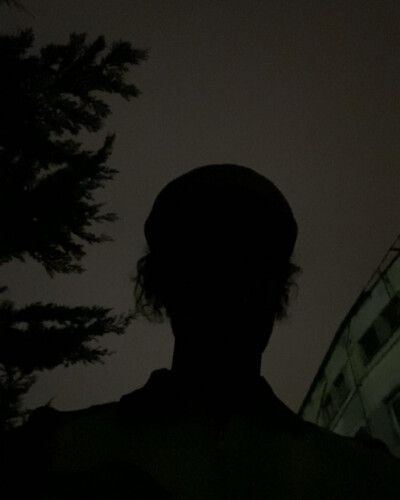
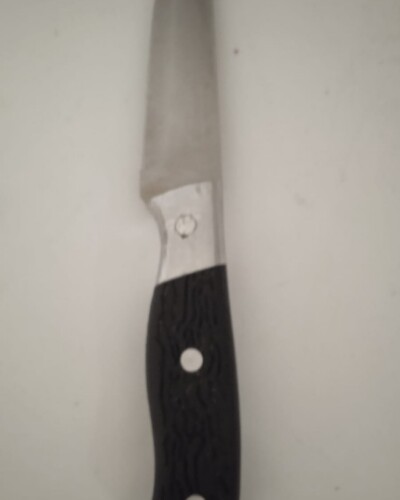
Fear emerged as a distinct and powerful theme during collective reflection. Participants spoke about vulnerability, insecurity, and uncertainty — particularly in relation to healthcare access, rights, and belonging. Some photographs express how fear can be both visible and invisible, shaping experiences in subtle but persistent ways.
Hopes and Aspirations
Alongside challenges, participants shared images that represent hope, safety, dignity, and aspiration. These photographs reflect visions of belonging, meaningful participation, and improved access to care. Hope was often described as fragile but persistent — connected to moments of recognition, solidarity, and support.
Invisibility and Difference in Treatment
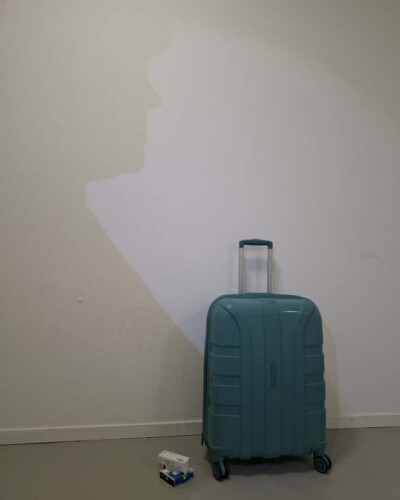
Participants described experiences of feeling unseen, misunderstood, or treated differently. This theme reflects structural invisibility, discrimination, and unequal treatment within institutions and society more broadly. Some images illustrate how invisibility coexists with a desire for recognition and inclusion.
Solutions and Good Practices
Participants also identified examples of care, support, and positive change. This theme highlights good practices within healthcare and community settings — including respectful communication, recognition of rights, and inclusive environments. These photographs emphasize that solutions can exist even within systems marked by constraint.
Click to open and read the full caption →

Click to open and read the full caption →
Click to open and read the full caption →
Click to open and read the full caption →
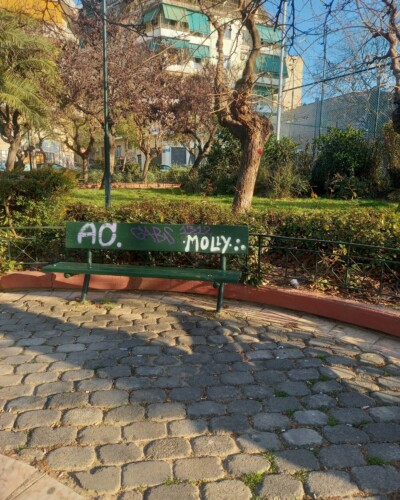
Click to open and read the full caption →
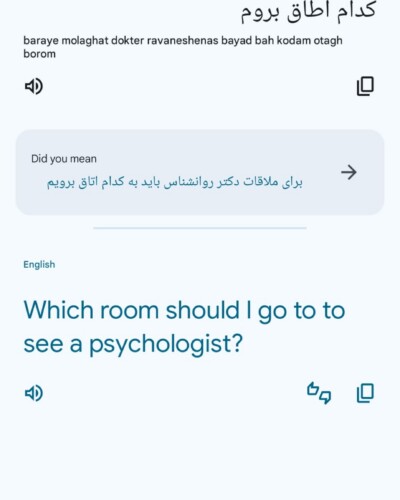
Click to open and read the full caption →
Click to open and read the full caption →
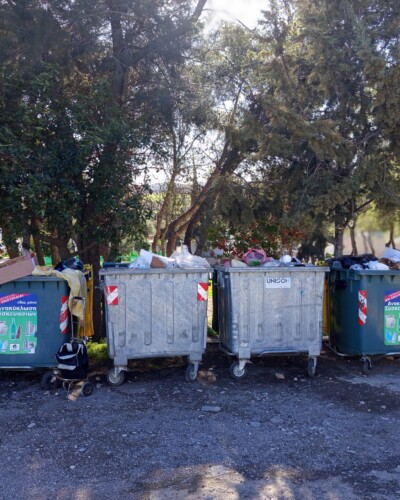
Click to open and read the full caption →
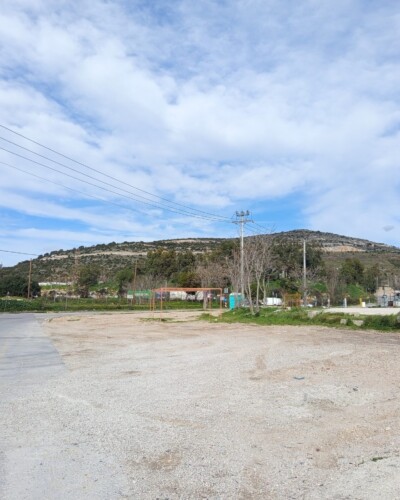
Click to open and read the full caption →
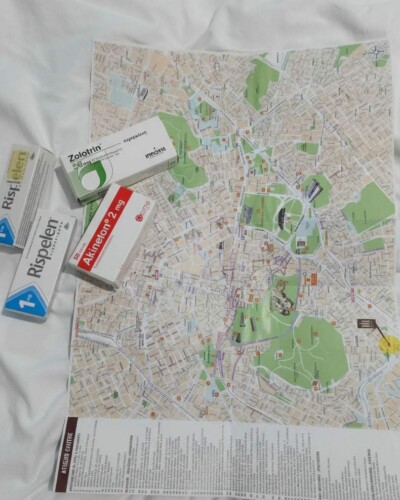
Click to open and read the full caption →

Click to open and read the full caption →
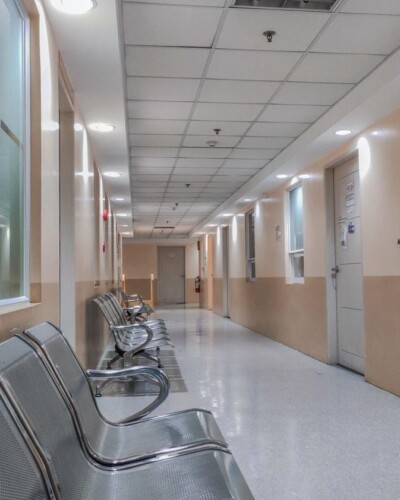
Click to open and read the full caption →
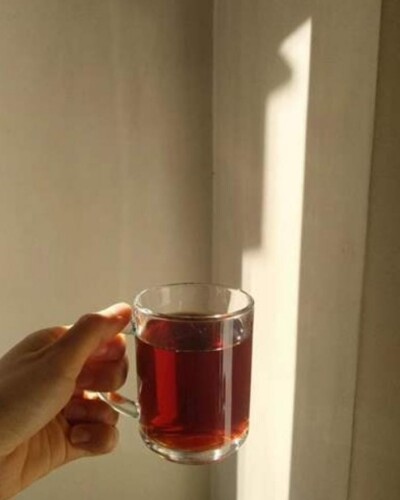
Click to open and read the full caption →
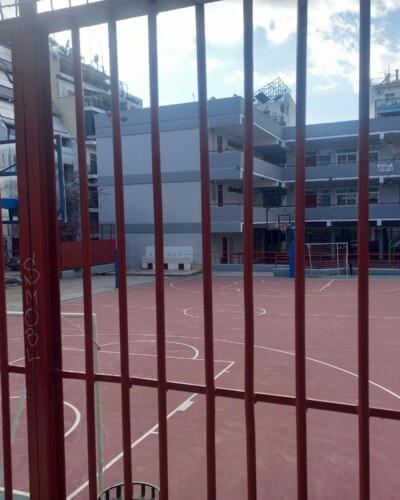
Click to open and read the full caption →

Click to open and read the full caption →
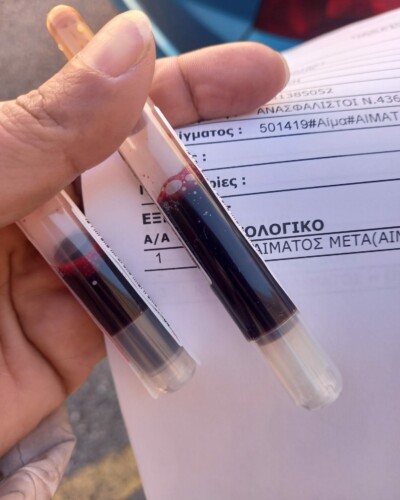
Click to open and read the full caption →

Click to open and read the full caption →
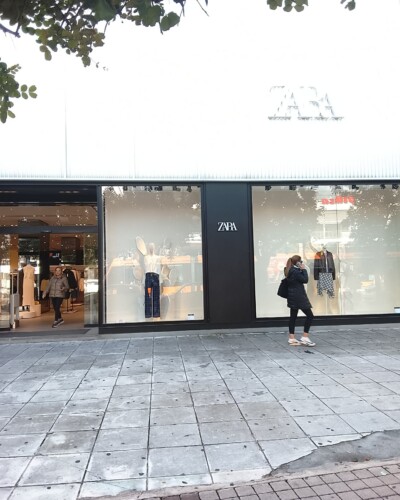
Click to open and read the full caption →
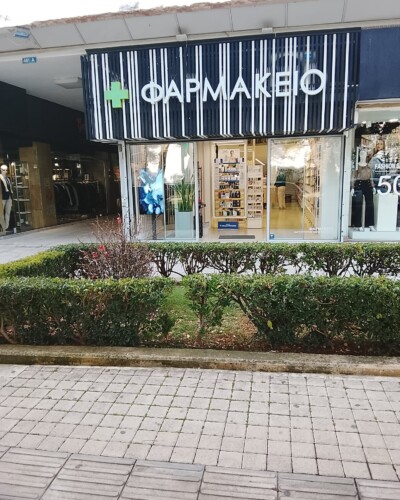
Click to open and read the full caption →

Click to open and read the full caption →
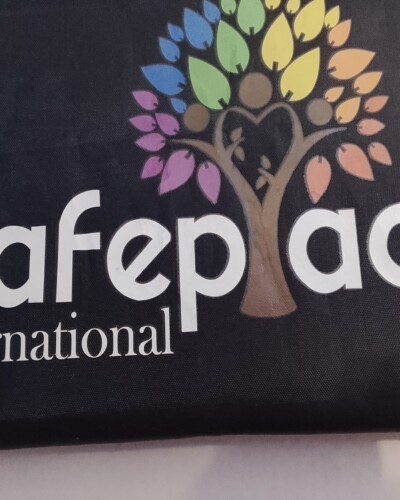
Click to open and read the full caption →
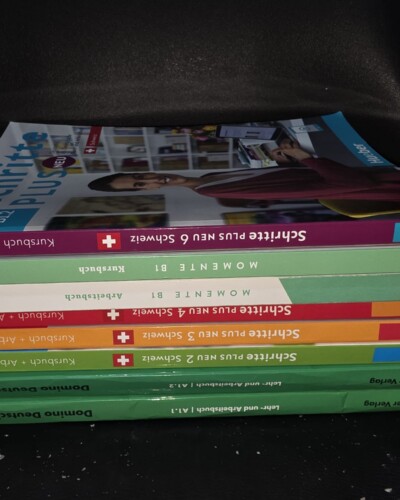
Click to open and read the full caption →

Click to open and read the full caption →
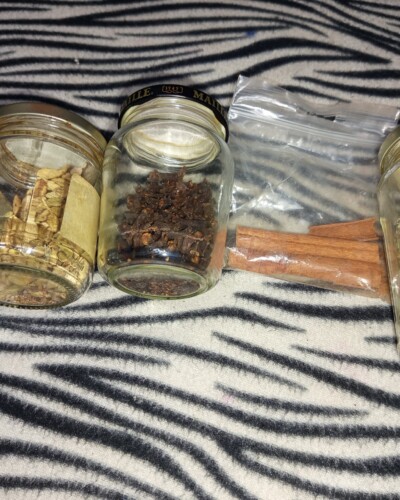
Click to open and read the full caption →
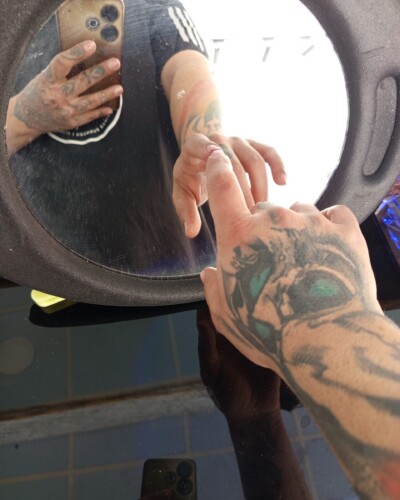
Click to open and read the full caption →
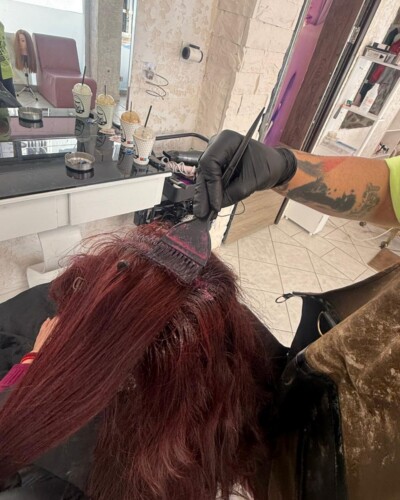
Click to open and read the full caption →
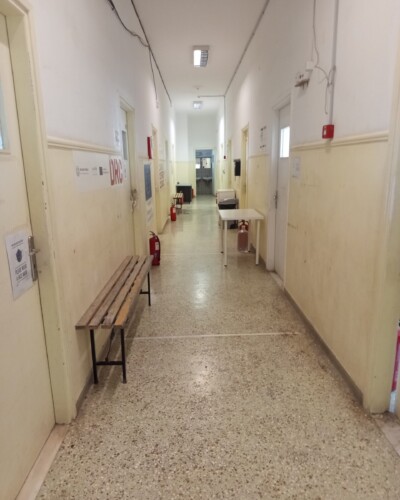
Click to open and read the full caption →
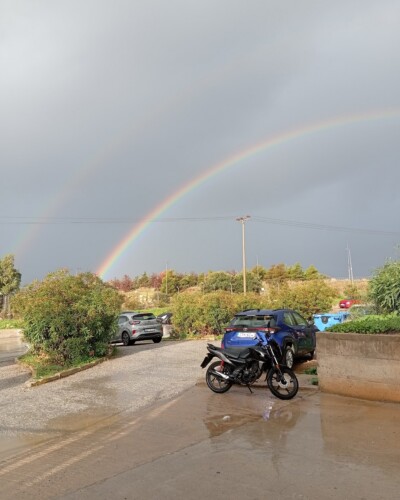
Click to open and read the full caption →
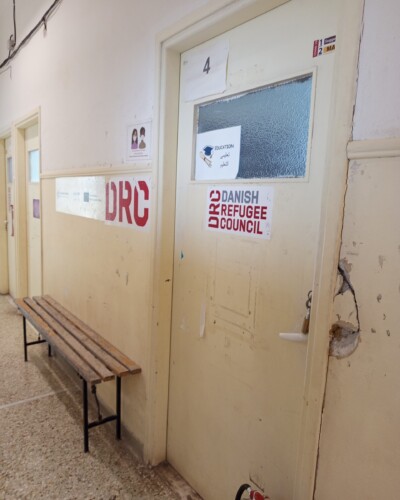
Click to open and read the full caption →

Click to open and read the full caption →

Click to open and read the full caption →

Click to open and read the full caption →
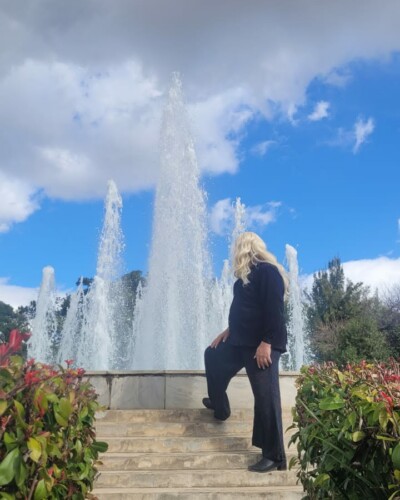
Click to open and read the full caption →
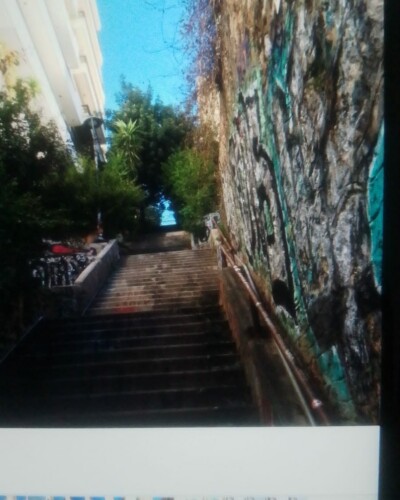
Click to open and read the full caption →
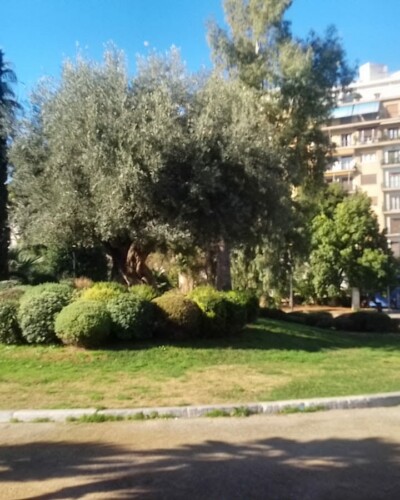
Click to open and read the full caption →

Click to open and read the full caption →
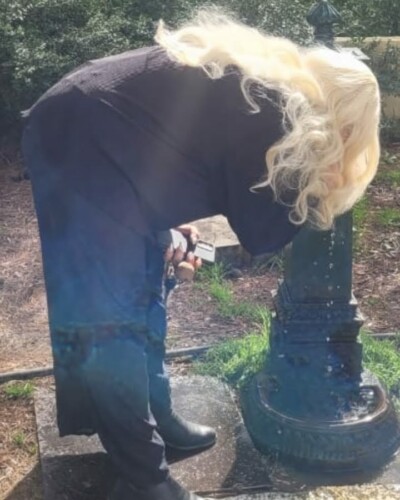
Click to open and read the full caption →
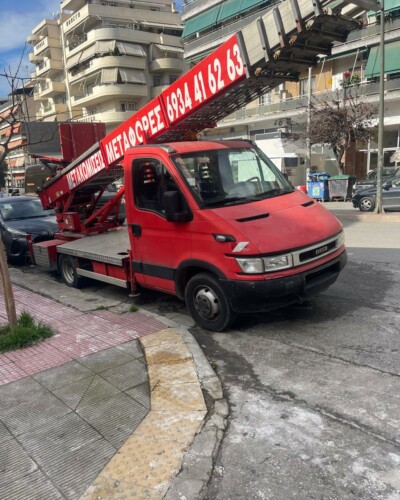
Click to open and read the full caption →
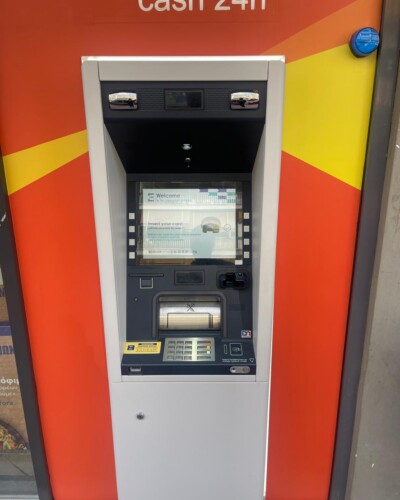
Click to open and read the full caption →
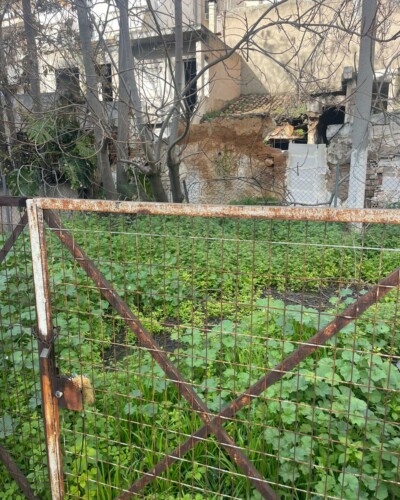
Click to open and read the full caption →
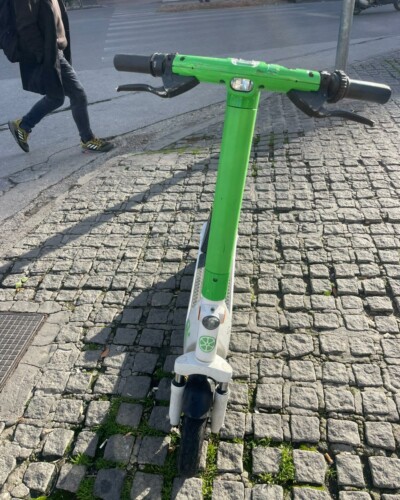
Click to open and read the full caption →
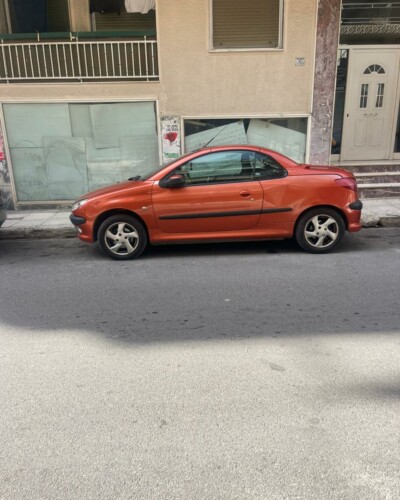
Click to open and read the full caption →
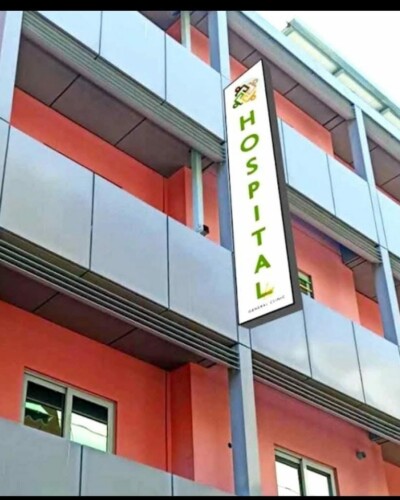
Click to open and read the full caption →
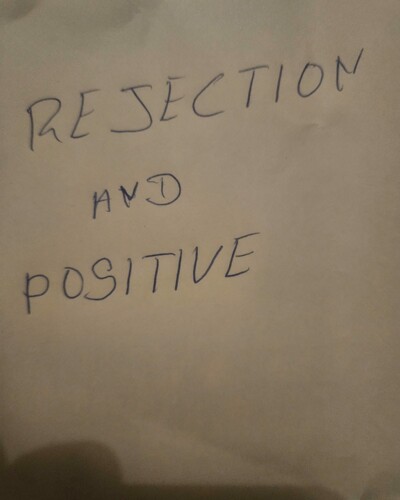
Click to open and read the full caption →
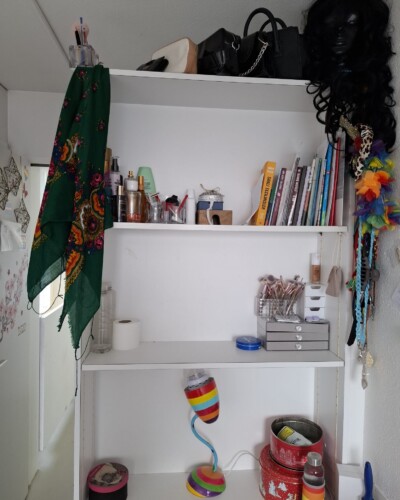
Click to open and read the full caption →
Click to open and read the full caption →
Click to open and read the full caption →
Click to open and read the full caption →

Click to open and read the full caption →
Click to open and read the full caption →
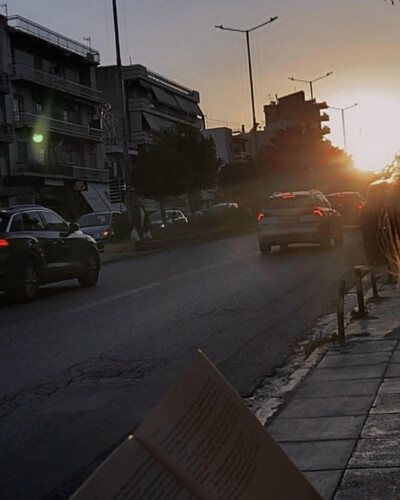
Click to open and read the full caption →
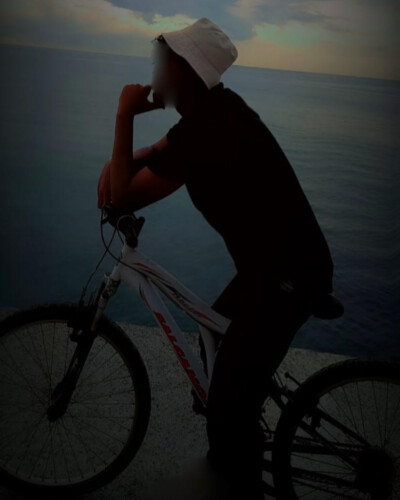
Click to open and read the full caption →
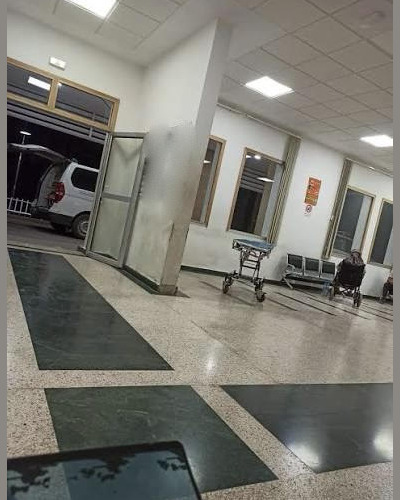
Click to open and read the full caption →
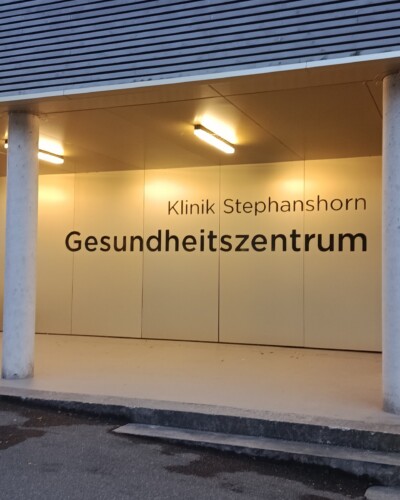
Click to open and read the full caption →
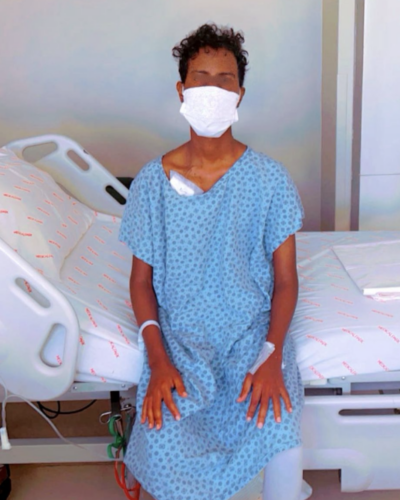
Click to open and read the full caption →

Click to open and read the full caption →
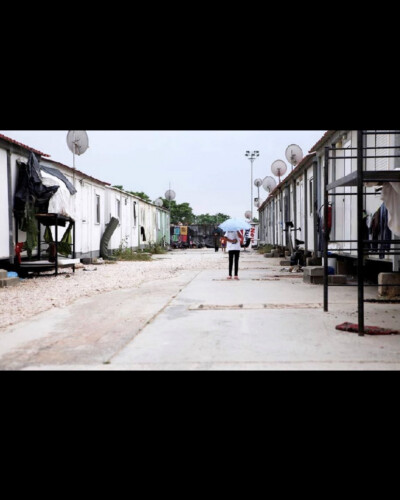
Click to open and read the full caption →
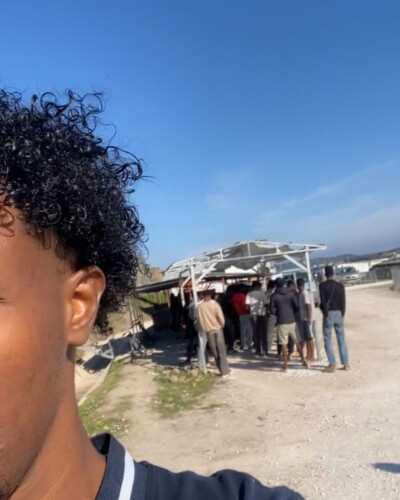
Click to open and read the full caption →
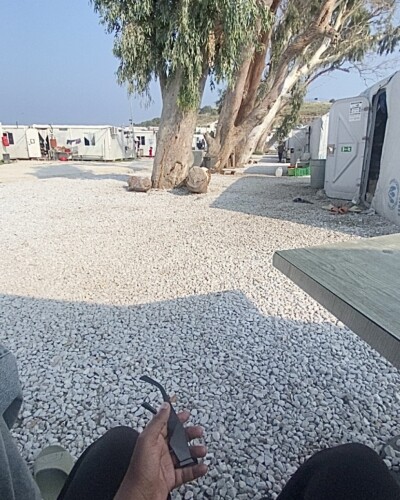
Click to open and read the full caption →
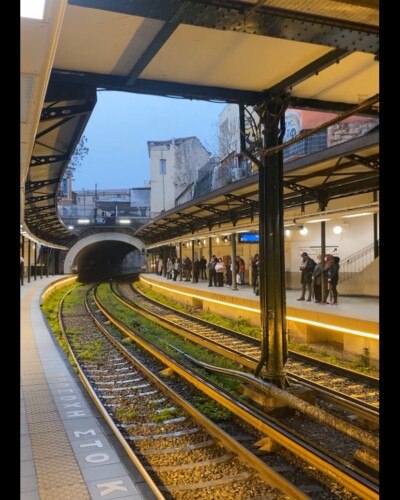
Click to open and read the full caption →
![[Original] Que existan leyes más humanas inclusivas y sensibles a la realidad de las personas refugiadas de las personas queer desde nuestra llegada y durante el proceso de integración que particularmente en el sistema de asilo quiebra e incluso re victimiza entre muchos aspectos por causa del retardo burocrático que nos hace sentir personas de inferior categoría en la sociedad. [English] There should be more humane laws that are inclusive and sensitive to the reality of queer refugees from the moment we arrive and throughout the integration process, which, particularly in the asylum system, fails and even re-victimizes us in many ways due to bureaucratic delays that make us feel like second-class citizens in society.](https://liminality.ch/wp-content/uploads/2025/12/CH-ZH-PV-G-1_13.jpeg)
Click to open and read the full caption →
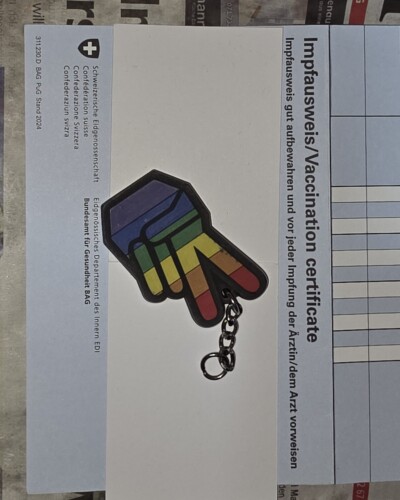
Click to open and read the full caption →
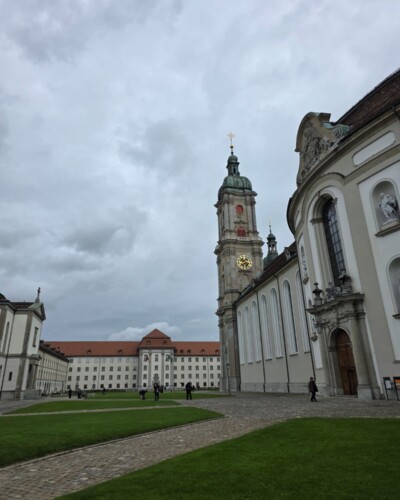
Click to open and read the full caption →
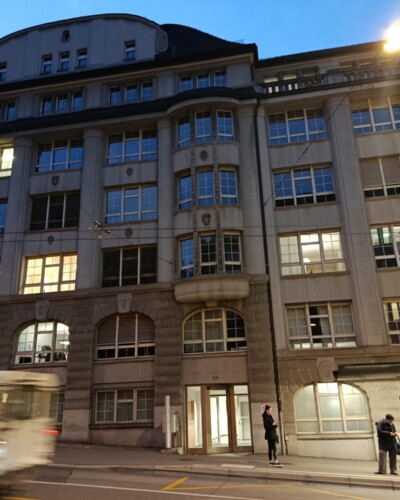
Click to open and read the full caption →
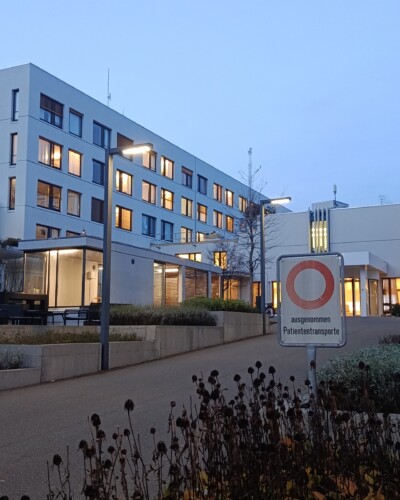
Click to open and read the full caption →
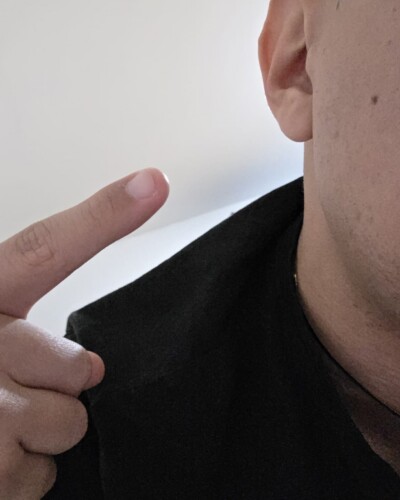
Click to open and read the full caption →
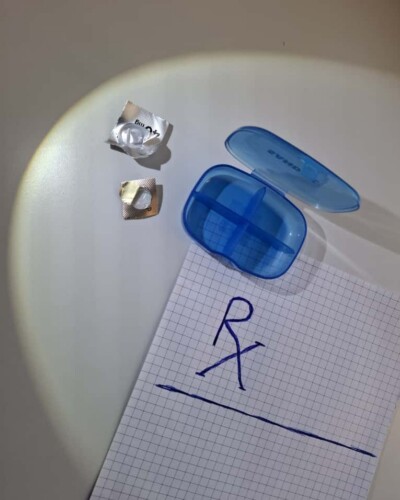
Click to open and read the full caption →
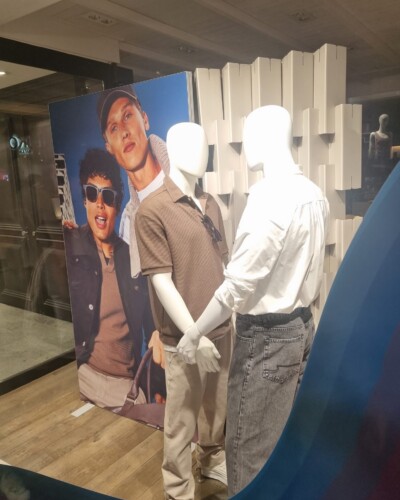
Click to open and read the full caption →

Click to open and read the full caption →
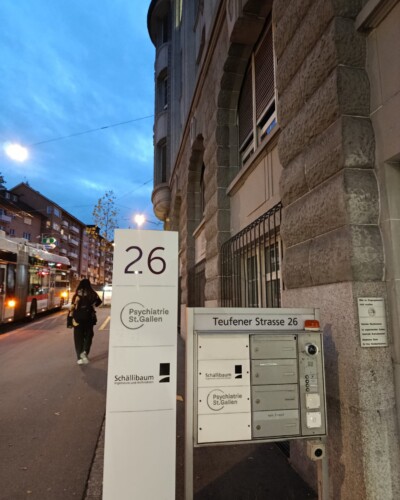
Click to open and read the full caption →
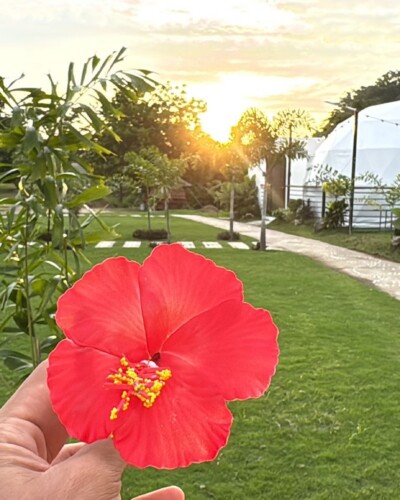
Click to open and read the full caption →
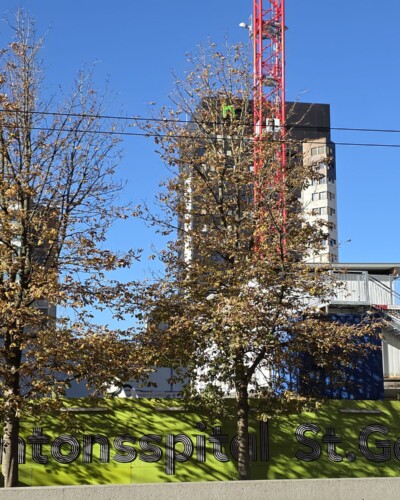
Click to open and read the full caption →
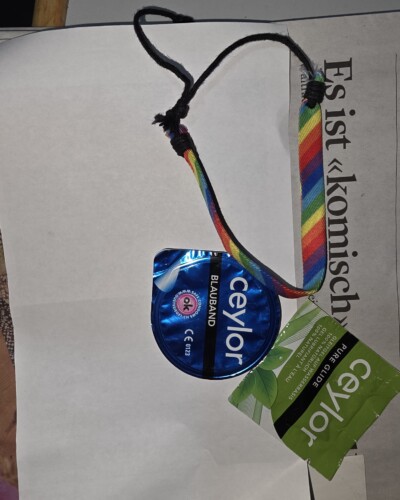
Click to open and read the full caption →
Click to open and read the full caption →
Click to open and read the full caption →
Click to open and read the full caption →
Click to open and read the full caption →

Click to open and read the full caption →
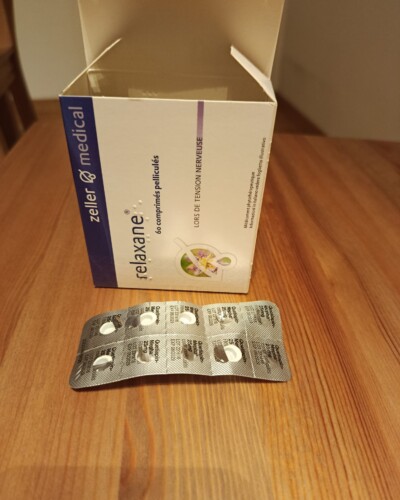
Click to open and read the full caption →
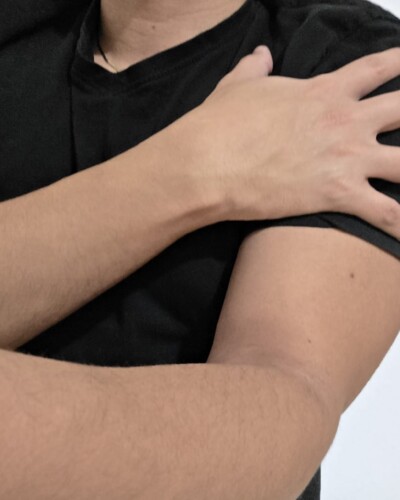
Click to open and read the full caption →
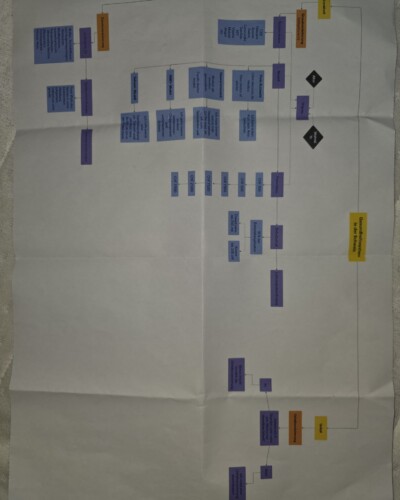
Click to open and read the full caption →

Click to open and read the full caption →
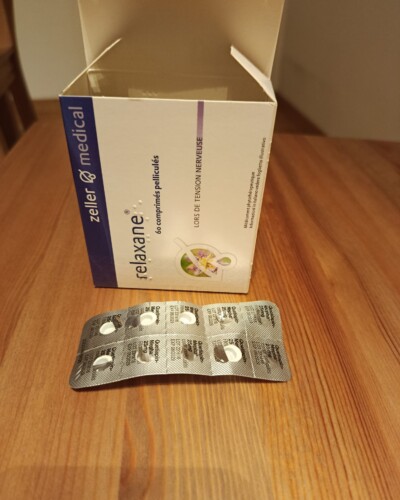
Click to open and read the full caption →
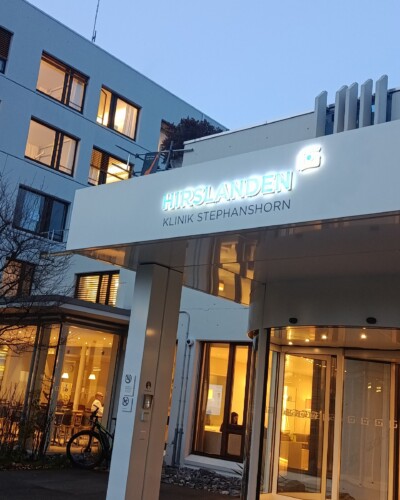
Click to open and read the full caption →
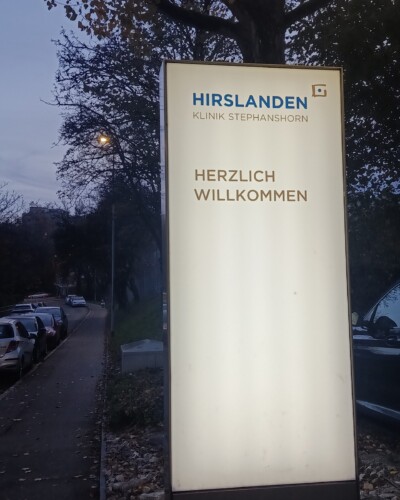
Click to open and read the full caption →
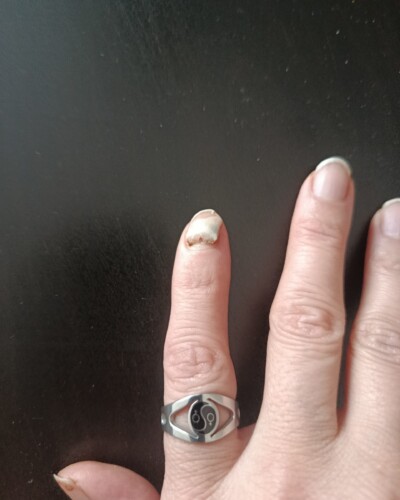
Click to open and read the full caption →